Choosing Glass for Ocean Light and Glare
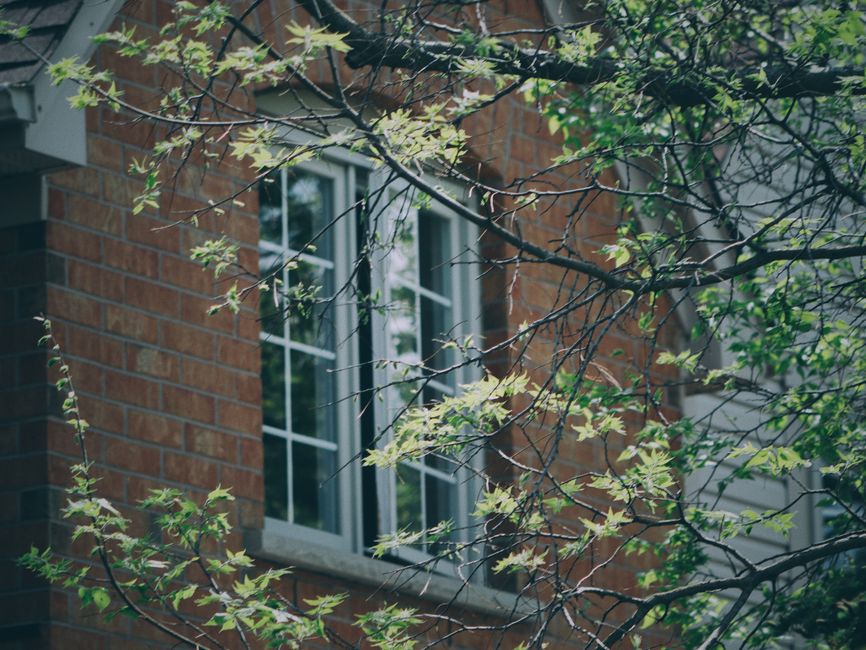
Most people pick glass by the brand of window and never ask which coating is on the pane. In a Carlsbad house that is the wrong order, because the coating decides how much heat and glare comes through. Work like this changes with the wall it faces, and window replacement carlsbad civil war web sets the order deliberately: orientation first, then coating, then the frame. A window replacement on a west wall wants different glass than one on a north wall.
What low e glass does
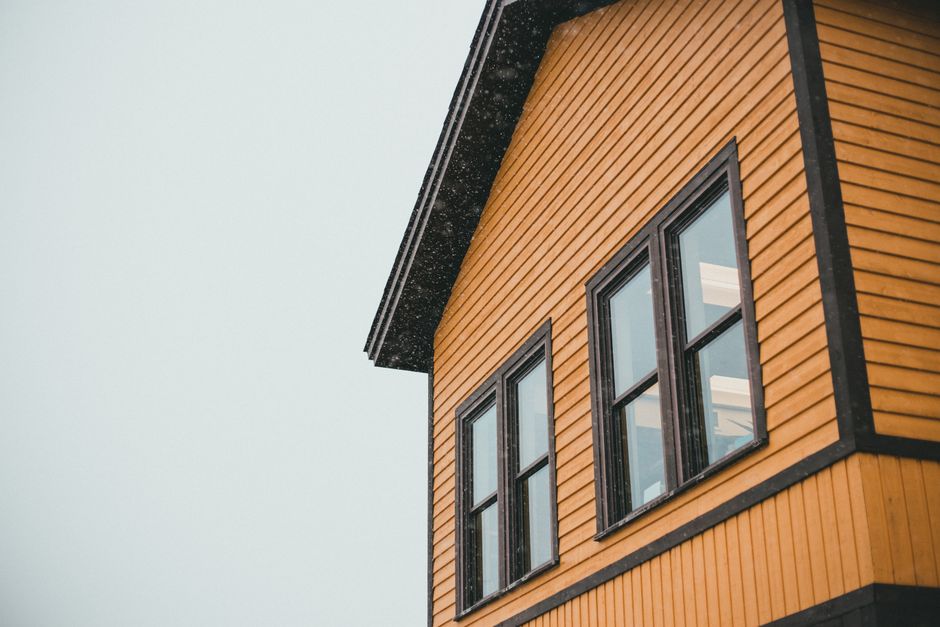
A low e coating is a thin metal layer on one surface of the glass that reflects heat. It keeps warmth inside in winter and keeps solar heat out in summer, and it blocks most ultraviolet light that fades floors and fabrics. The coating sits inside the insulated glass unit, protected from the weather.
Two numbers worth reading
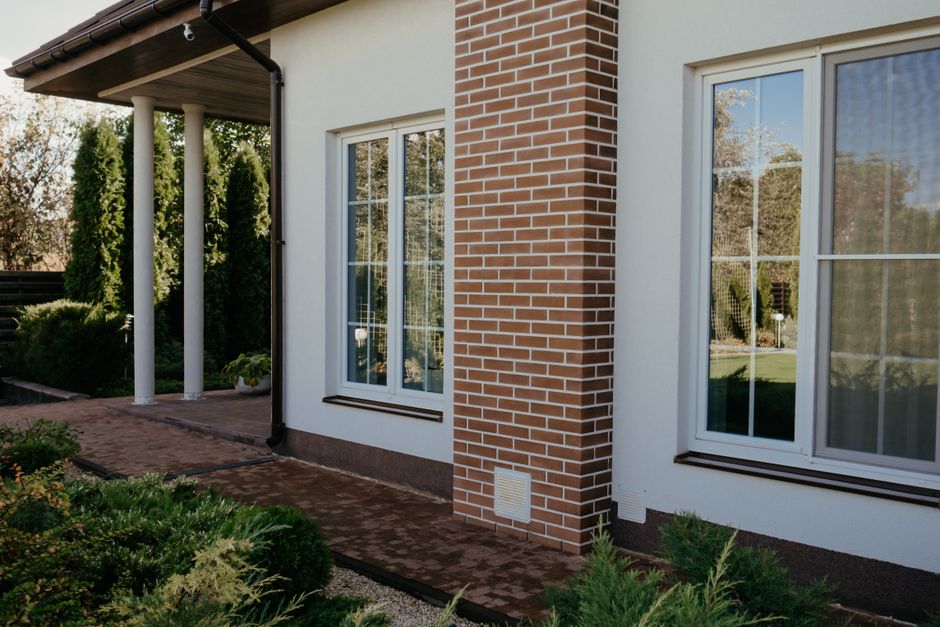
The U factor measures how fast heat moves through the whole window, and lower is better. Solar heat gain coefficient measures how much sun heat gets in, and a lower number means less. On a west wall in San Diego County, a low gain coating makes a clear difference in the late afternoon. On a north wall, a higher gain coating lets in more light and loses nothing in summer.
Ocean light and glare
Bright reflected light off the water around Agua Hedionda Lagoon and the beaches can make a living room uncomfortable by mid afternoon. A slightly tinted or reflective low e coating takes the edge off without turning the room dark.
Where tempered glass is required
Building code asks for tempered glass in certain spots: near doors, close to the floor, beside a tub or shower, and in large panes. Tempered glass breaks into small blunt pieces. A picture window beside an entry door, or a slider that opens onto a patio, falls in this group. The installer checks for a small etched stamp in one corner of the pane.
Argon fill and extra panes
Argon gas between the panes slows heat transfer a little more than plain air. Most double pane units sold today have it. Triple pane glass exists, but near the coast the added weight and thickness rarely repay the difference, since winters are mild and the main problem is sun.
Putting it together
A sensible plan matches the glass to each wall. Low gain on the south and west sides, a clearer coating on the north, and tempered glass wherever code calls for it. Houses along Interstate 5 run hotter in summer, so low gain matters more there.